Walk through any village or condo in the Philippines and you'll meet them — the little dog with the pushed-in face, the flowing coat, and the personality of a dog four times its size. Shih Tzus are one of the most popular family dogs in the country, and it's easy to see why: they're affectionate, adaptable to apartment living, brilliant with kids, and they bond hard with their people.
They're also, honestly, one of the higher-maintenance breeds you can own in this climate. That gorgeous coat and that flat little face — the two things people fall in love with — are exactly the two things that need the most work in Philippine heat and humidity. None of it is hard once you know the routine. This is that routine: grooming, heat safety, the health issues to watch, diet, and what a Shih Tzu really costs to own here in 2026.
What a Shih Tzu really costs in the Philippines
Let's start with the number people ask first. A Shih Tzu puppy from a breeder typically runs ₱8,000 to ₱25,000, and premium or "show line" puppies with papers go well past that — some listings hit ₱50,000 and up. Prices are usually negotiable and vary with the breeder's reputation, the bloodline, and whether the puppy comes vaccinated and dewormed.
But the purchase price is the small part, and this is the thing new owners underestimate. The real cost of a Shih Tzu is the upkeep, because this is a breed that genuinely needs regular professional grooming and is prone to a handful of vet-worthy health issues. Rough monthly and recurring costs:
| Expense | Typical PH cost |
|---|---|
| Professional grooming (every 4–6 weeks) | ₱500–₱1,500/session (₱800–₱1,500 mobile) |
| Quality food | ₱1,500–₱4,000/month |
| Vaccines (first year, then annual) | see the dog vaccination schedule |
| Tick/flea + deworming | ongoing — prevention guide |
| Vet visits (eyes, ears, dental, checkups) | ₱300–₱800/consult + treatment |
If that total gives you pause, that's the point — better to know now than to bring home a puppy you can't comfortably maintain. A Shih Tzu is a 12-to-16-year commitment to grooming appointments and vet care. If you want a lower-maintenance first dog, an aspin is a genuinely wonderful, hardier, cheaper-to-keep alternative — no shame in choosing the easier road. If you're comparing the popular small breeds, our Pomeranian and Poodle guides cover two other favorites, each with its own grooming trade-offs. And if your heart is set on a Shih Tzu, do check the rescues first; purebreds get surrendered more often than you'd think, and adopting one runs a fraction of the breeder price.
Grooming: the part that defines Shih Tzu ownership
If there's one area where a Shih Tzu asks for real commitment, it's the coat. Shih Tzu hair grows continuously (it's more like hair than fur), it doesn't shed much, and left alone it mats fast — especially in humid weather when the coat holds moisture. Mats aren't just ugly; they pull at the skin, trap damp against it, and cause painful sores and infections.
The routine that keeps a Shih Tzu comfortable here:
- Brush 3–4 times a week at home, daily if you keep a longer coat. Get down to the skin, not just the surface, or you'll get hidden mats.
- Professional groom every 4–6 weeks — ₱500 to ₱1,500 a session, or ₱800 to ₱1,500 for a mobile groomer who comes to your house (worth it for a heat-sensitive dog you'd rather not cart around at noon).
- Keep a puppy cut. In the Philippines, most sensible owners keep their Shih Tzu in a short "puppy cut" year-round rather than the long show coat. It's dramatically cooler for the dog and a fraction of the daily upkeep. The flowing floor-length coat looks stunning in photos and is misery to maintain in Cebu humidity.
- Face and eyes daily. Wipe the eye area with a clean damp cloth to manage tear staining and keep hair out of the eyes — long hair rubbing the cornea is a real cause of eye damage in this breed. Many owners tie up or trim the topknot for exactly this reason.
- Ears weekly. Shih Tzu ear canals are hairy and floppy, and in our humidity they trap moisture and grow yeast and bacteria. Check and clean weekly; a stinky or waxy ear means a vet trip.
- Bathe every 1–2 weeks — and dry completely. A damp coat left to air-dry in humid weather is a fungal skin infection waiting to happen. Towel and blow-dry down to the skin.
Keeping a flat-faced dog safe in Philippine heat
This is the one that's actually dangerous, so read it twice. The Shih Tzu is a brachycephalic breed — that adorable short face means shortened airways, and some dogs have full-blown brachycephalic obstructive airway syndrome (BOAS), the snorting and snoring you hear in the breed. Dogs cool themselves mainly by panting, and a flat-faced dog pants far less efficiently. In Philippine heat and humidity, that adds up to a dog that overheats fast and is genuinely prone to heat stroke.
How to keep them safe:
- Walk only in the cool hours — early morning, or after 5 PM once the pavement has cooled. Never a midday walk. Hot pavement also burns their low-to-the-ground bellies and paws.
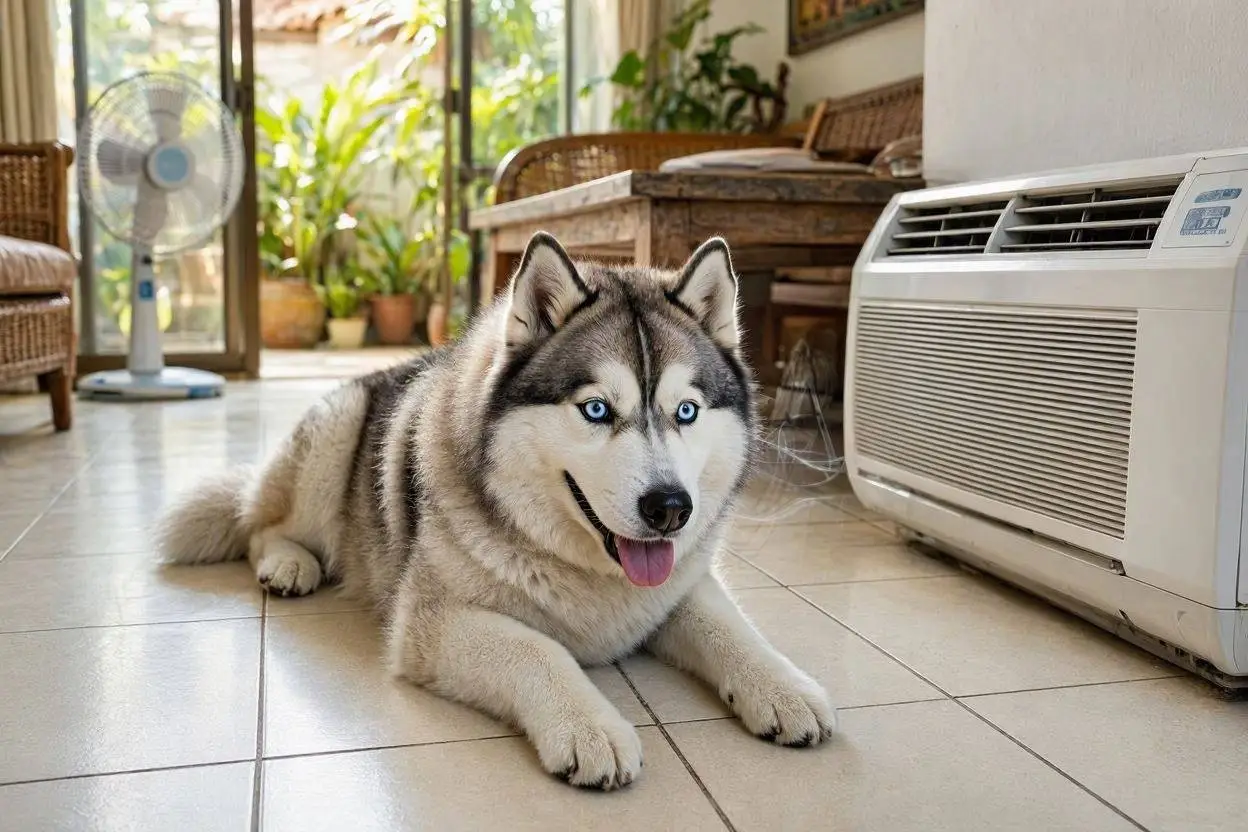
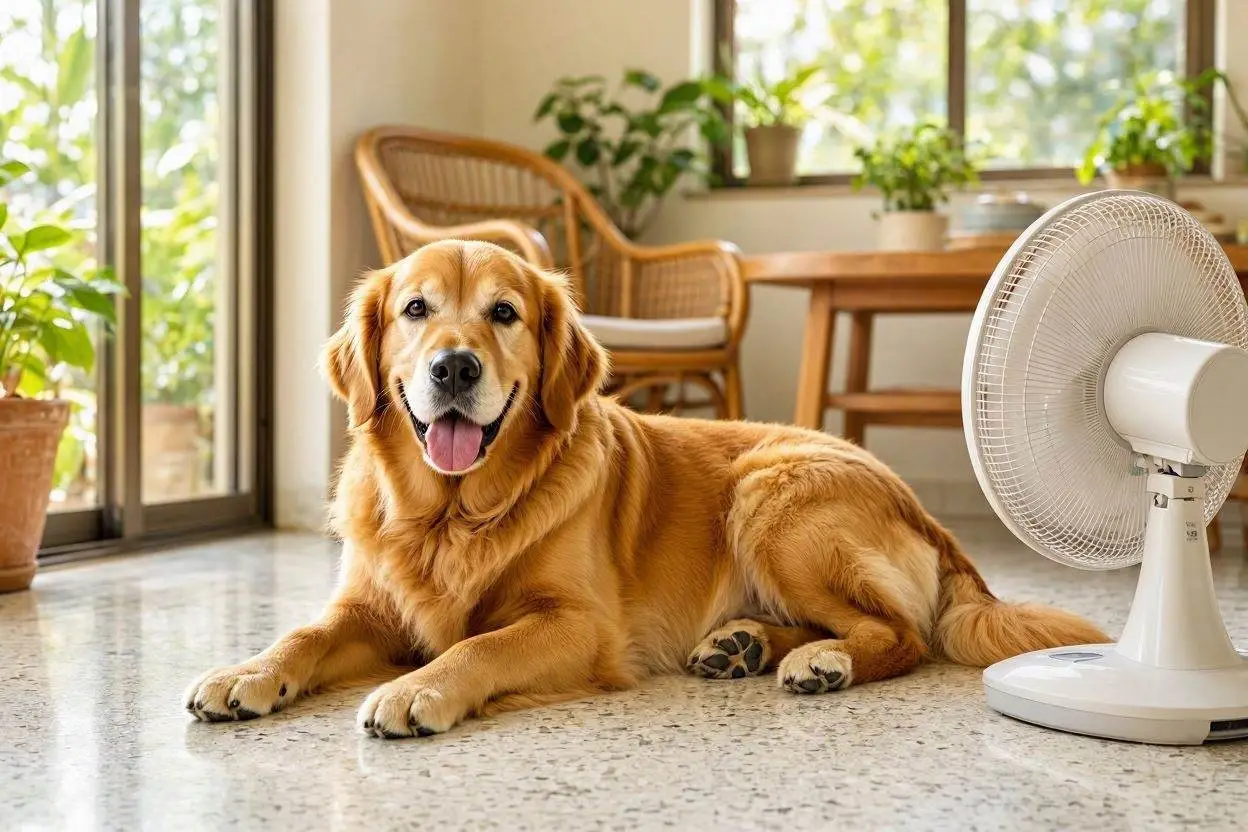
- Keep them cool indoors during the heat of the day — a fan, a tiled floor to sprawl on, or air-conditioning at midday. A cooling mat helps.
- Keep exercise short and gentle. 20–30 minutes total a day, split into two short walks, is plenty. This is not a dog for long runs or hikes.
- Fresh water always, everywhere they hang out.
- Never leave them in a parked car or a hot room, even briefly.
Learn the heat-stress warning signs and treat them as an emergency: heavy or frantic panting, thick drooling, lethargy or stumbling, and bright red gums. If you see these, move the dog somewhere cool immediately, offer water, wet them with cool (not ice-cold) water, and get to a vet. Heat stroke kills flat-faced dogs, and it does it quickly.
The health issues to watch
Shih Tzus are hardy in temperament but come with a known list of physical vulnerabilities. Knowing them means you catch problems early instead of expensively late.
- Eyes. Their eyes protrude slightly and sit in shallow sockets, which makes them prone to dry eye (the immune system attacks the tear glands), corneal ulcers, and injury — in severe trauma the eye can even prolapse out of the socket. Keep hair trimmed away from the eyes, wipe them daily, and see a vet promptly for any squinting, redness, cloudiness, or pawing at the face.
- Dental disease. Small dogs with crowded jaws get dental disease early — most Shih Tzus are affected by age three without care. Brush their teeth, offer dental chews, and get dental checkups. Bad teeth aren't just bad breath; the infection affects the whole body.
- Ears. Covered above — hairy, humid canals mean frequent infections. Weekly checks.
- Patellar luxation. Slipping kneecaps are common in toy breeds; watch for a skip or hop in the back legs, or a suddenly held-up leg.
- Skin and allergies. Food and environmental allergies show up as itching, ear infections, and tear staining. Omega-3 and omega-6 fatty acids in the diet help the coat and skin.
- Breathing. The BOAS spectrum, covered in the heat section — snoring is common, but real breathing distress needs a vet.
A first vet visit in your puppy's first week sets a baseline for all of this, and a vet who knows the breed will tell you which issues your individual dog is leaning toward.
Feeding a Shih Tzu
Feed a quality food with a named animal protein as the first ingredient — aim for around 25–30% protein — and portion it to keep your dog lean, since a small brachycephalic dog carrying extra weight struggles even more with breathing and heat. An adult Shih Tzu needs only a few hundred calories a day; it's genuinely easy to overfeed a dog this size, and those pleading eyes are very persuasive. Omega-3 and omega-6 fatty acids (from fish oil or a coat-formulated food) noticeably help the skin and that signature coat. Expect roughly ₱1,500 to ₱4,000 a month depending on the brand you choose. Keep fresh water available at all times, and don't leave food out to spoil in the heat.
Exercise and temperament
Shih Tzus were bred as companion lapdogs, not working dogs, and their needs reflect that: 20–30 minutes of gentle activity a day — two short walks in the cool hours plus some indoor play — keeps them happy and fit. They're playful, a little stubborn, wonderful with children, and they thrive on being near their people; this is not a dog that does well left alone in a yard all day. They're well suited to condo and apartment life precisely because they don't need much space or hard exercise. Early, gentle socialization and consistent house-training pay off — the stubborn streak is real but treat-motivated.
The 15-year paperwork problem (and the easy fix)
Here's the thing about owning a breed that lives 12 to 16 years and needs this much care: you accumulate an enormous amount of health information. Grooming every month. Vaccines every year. Eye checks, dental cleanings, ear treatments, weight records, the food that finally stopped the itching, the vet who's seen them since they were a puppy. Over a decade and a half, that history scatters — paper vaccine cards fade, receipts get lost, and you find yourself at a new vet trying to remember when the last rabies shot was.
For a high-maintenance breed especially, keeping it all in one place is worth it. A digital pet passport holds the vaccination records, the weight and growth chart (useful for keeping a Shih Tzu lean), the grooming and vet history, and a searchable medical timeline you can hand any vet in seconds — or export as a PDF for travel or a new clinic. Add a scannable QR tag to the collar and a small flat-faced dog that slips out the gate has your number on them, ready for whoever finds them.
A Shih Tzu will give you a decade and a half of being the most devoted little shadow in the house. They just ask for a good grooming routine, respect for the heat, and an eye on those famous eyes. Get those three right and the rest is all the good part. Start your Shih Tzu's Pawdex passport and keep their whole story in one place from day one.
Founder of Pawdex. Pet parent to Shimmer and Sigbin. Writes honest pet-care guides for Filipino pet parents — no fluff, real prices, real stories.