The Golden Retriever is, for a lot of Filipino families, the dream dog — patient with kids, endlessly friendly, smart, and gorgeous. They deserve the reputation. But there's an honest conversation to have before you bring one home, and it's this: the Golden Retriever is a dog bred in the cold hills of Scotland, wearing a thick double coat designed to keep it warm in near-freezing water. You are asking that dog to live in the tropics.
Thousands of Goldens live wonderful lives here — this isn't a "don't get one" article. It's a "get one, and do these specific things" article. The heat, the coat, and the joints are the three areas where Golden ownership in the Philippines is genuinely different from owning one abroad. Get those right and you'll have the best family dog you could ask for.
The heat: the thing that actually matters
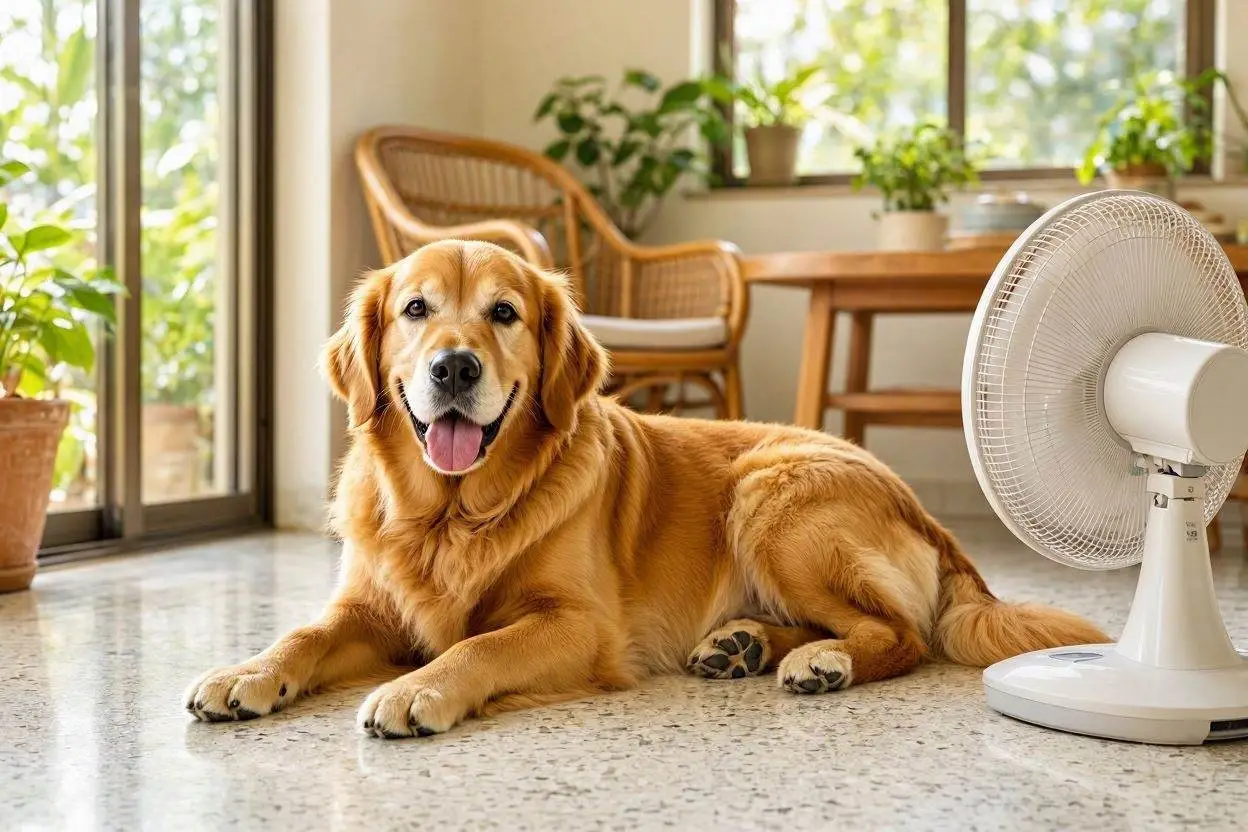
A Golden's double coat is built to trap warmth. In Philippine heat and humidity, that same dog overheats far more easily than a short-coated local dog, and heat stroke is a real, seasonal danger. Managing it isn't complicated, but it's non-negotiable:
- Cool hours only for exercise. Early morning and after sunset. Never walk or play hard in midday heat — the dog can't shed heat fast enough, and the pavement burns paws.
- A cool spot indoors during the day. A fan, a tiled floor to sprawl on, or air-conditioning through the hottest hours. Many PH Golden owners simply keep the dog inside during midday.
- Water, everywhere, always. And a shaded retreat if the dog is ever outside.
- Swimming is your best friend. A Golden loves water and it cools and exercises at once — a kiddie pool, a clean river, the sea. It's the single best PH-climate hack for this breed.
- Know the emergency signs: heavy frantic panting, thick drool, weakness or stumbling, bright red gums. Cool the dog with (not-ice-cold) water and get to a vet immediately. Heat stroke kills.
Never shave a Golden — really
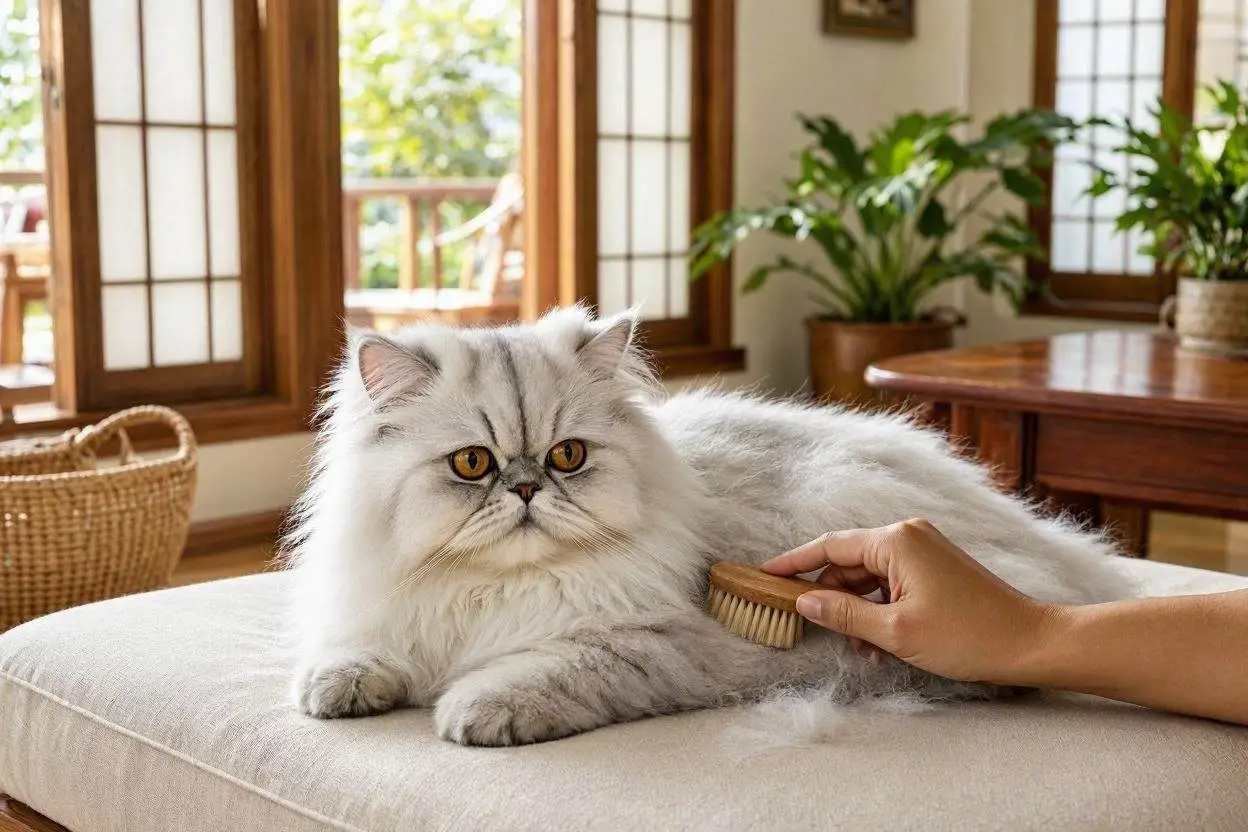
This is the mistake we see constantly, and it comes from good intentions. It feels obvious: it's hot, the dog has a thick coat, so shave it. Don't. A double coat insulates against heat as much as cold, and it shields the skin from the brutal tropical sun. Shave it and you remove the sun protection, risk sunburn, and can trigger the coat to grow back patchy and damaged (owners call it "coat funk"). A shaved Golden is often a hotter, more sunburned Golden. The correct move is the opposite: brush out the dead undercoat regularly so air flows through the coat and it can do its job. Let a groomer thin and tidy, never shave to the skin.
Grooming a Golden here
The coat is a real commitment, more so in our climate where Goldens tend to shed even more.
- Brush 3–4 times a week, daily during heavy sheds. Get through to the undercoat — surface brushing leaves mats and traps heat.
- Professional grooming every so often — around ₱1,000 to ₱3,000 a session — for a proper deshed, bath, and tidy. Mobile groomers save you hauling a big heat-sensitive dog out at midday.
- Ears after every swim and bath. Floppy ears plus humidity plus water equals infections. Dry them thoroughly and check weekly.
- Bathe and dry completely. A damp double coat in humid weather grows fungus and hot spots. Blow it dry down to the skin.
The health list to know
Goldens are a wonderful breed with a known set of vulnerabilities. Awareness is what turns a crisis into a manageable checkup.
- Hip and elbow dysplasia. A hereditary joint malformation that leads to arthritis and pain. This is the single biggest reason to buy from a responsible breeder who screens their breeding dogs' hips — ask to see the results. Keeping your dog lean and not over-exercising a growing puppy protects the joints.
- Cancer. Goldens have a breed-wide predisposition to certain cancers. You can't prevent it, but you can catch it early — feel for new lumps during grooming and get anything suspicious checked.
- Heart disease and eye conditions appear in the breed; annual vet checks catch them.
- Ear infections. Covered above — the humid-climate tax on a floppy-eared water dog.
A thorough first vet visit and staying current on the vaccination schedule, deworming, and tick and flea prevention cover the foundations; the breed-specific watching is on you.
Feeding and weight — it protects the joints
Feed a quality large-breed food, and if you have a puppy, a large-breed puppy formula specifically — it controls the growth rate to protect developing joints, which matters enormously in a breed prone to dysplasia. The golden rule (pun intended) for an adult is to keep the dog lean. Every extra kilo is extra load on hips and elbows that are already the breed's weak point. You should be able to feel the ribs easily under a light layer. A big active dog eats a lot — budget several thousand pesos a month for good food — but don't let a Golden get fat, because with this breed's joints, it's not a cosmetic issue, it's a mobility-and-pain issue.
Exercise and temperament
Goldens are active working dogs. They need around an hour of activity a day plus mental work — training, fetch, puzzle toys — or a bored Golden invents its own destructive hobbies. In the Philippines the whole challenge is fitting that into the cool hours: a good morning session, an evening one, and swimming whenever you can. They are gentle, people-obsessed, brilliant with children, and genuinely bad at being alone — this is a dog that wants to be in the middle of the family, not chained in a yard. That temperament is the whole reason people love them, and it's real.
Is a Golden Retriever right for your Philippine home?
Before the puppy photos win you over completely, an honest fit check — because a mismatched Golden is a miserable Golden.
- Space and cool. They don't need a mansion, but they do need somewhere genuinely cool to pass the midday heat and room to move. A small, hot, un-airconditioned condo with no way to exercise is a hard place to keep this breed well.
- Daily time in the cool hours. If your schedule can't reliably deliver a real morning and evening session, this isn't your breed — a bored, under-exercised Golden becomes destructive and anxious.
- A big-dog budget. Food, grooming, and the real possibility of joint care add up. Go in with eyes open.
- A dog that lives with you, not outside. Goldens are people-dogs; left alone in a yard they wilt emotionally. If you want a dog that's part of the household, they're perfect. If you want a low-contact guard dog in the garage, look elsewhere.
If those all sound right, few breeds will reward you more. If a couple gave you pause, that's useful information, not a failure — and a hardier, lower-maintenance dog might make you both happier.
Choosing a responsible breeder
Because hip dysplasia and certain cancers run in the breed, where your Golden comes from matters more than with a hardy mixed-breed. A responsible breeder health-screens their breeding dogs and can show you the parents' hip and elbow results, lets you meet the mother, keeps the puppies clean and socialized, and asks you questions rather than just taking your deposit. A "cheap Golden, no papers, ready today" is often a red flag for a puppy mill — and a lifetime of avoidable health costs. Screening isn't a guarantee, but it stacks the odds in your dog's favor.
A big dog means big records — keep them straight
Here's where a Golden differs from a small breed on the admin side: the stakes on the health records are higher. Hip screening results, the growth curve through puppyhood, weight logged over the years to protect those joints, vaccination history, the lumps you had checked and the vet's notes — over a 10-to-12-year life, that's a serious medical history, and it's genuinely useful to a vet in an emergency.
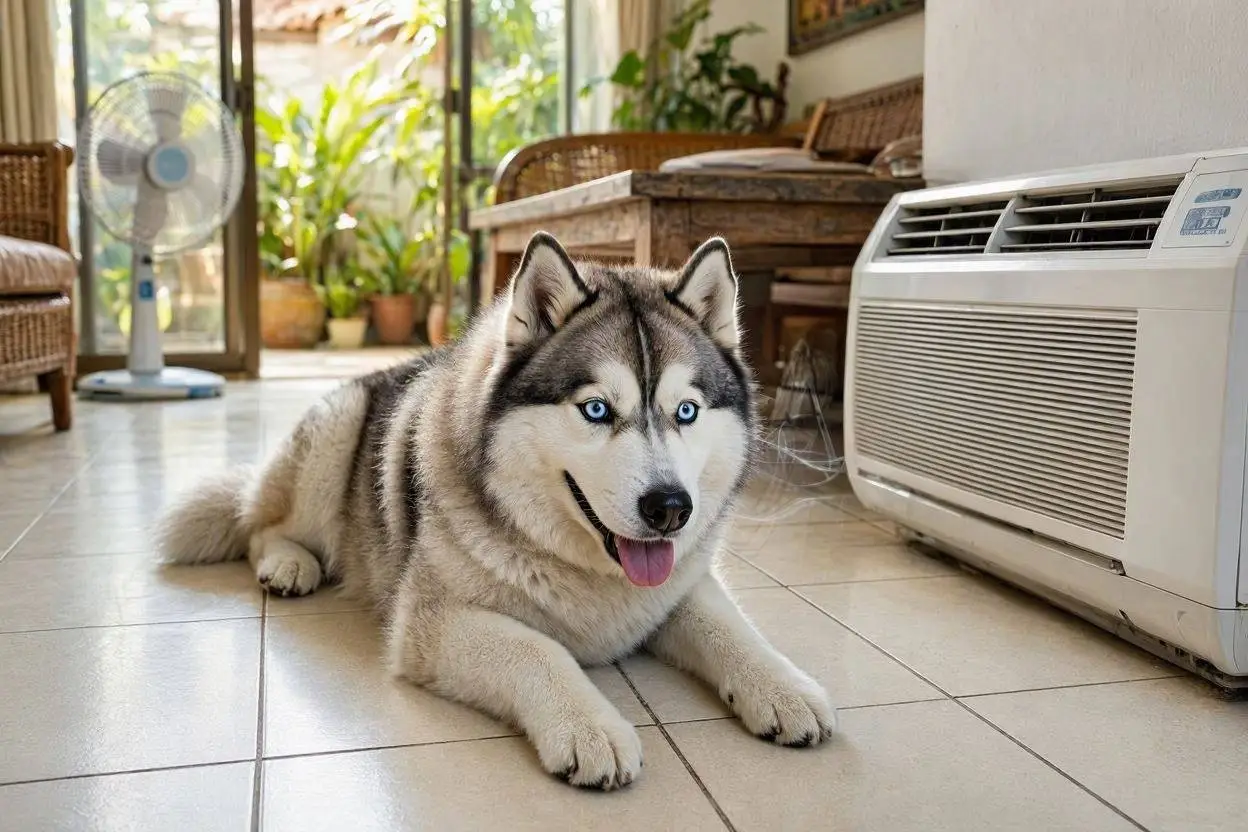
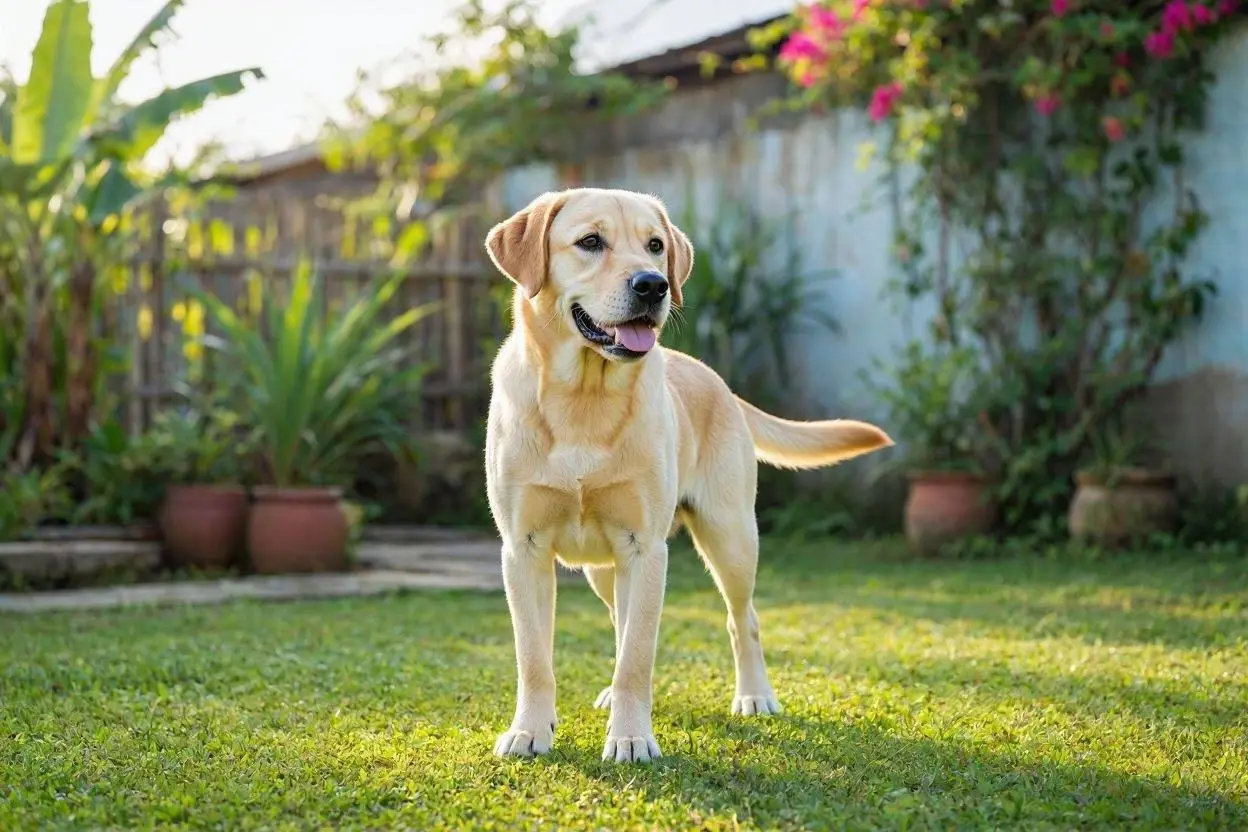
A digital pet passport keeps it in one place: the vaccination records, a weight-and-growth chart (exactly the tool you want for keeping a dysplasia-prone dog lean), the medical timeline, and a vet-ready PDF export for a new clinic or a specialist. Clip a scannable QR tag on the collar too — a friendly Golden is the easiest dog in the world to walk off with or to lose through an open gate, and a tag means whoever finds them can call you right away. (If a big active dog turns out to be more than your space or schedule allows, a hardier aspin or a smaller breed like the Shih Tzu may fit better. Among the big breeds, a short-coated Labrador copes with our heat more easily than a Golden, while a Husky is even harder to keep cool — and Goldens do turn up in rescues, often needing exactly the committed home you can give.)
Give a Golden the cool hours, the brushing, and a lean healthy weight, and you get back the most good-natured, devoted family dog there is — for a decade or more. Start your Golden's Pawdex passport and keep their whole story in one place from day one.
Founder of Pawdex. Pet parent to Shimmer and Sigbin. Writes honest pet-care guides for Filipino pet parents — no fluff, real prices, real stories.