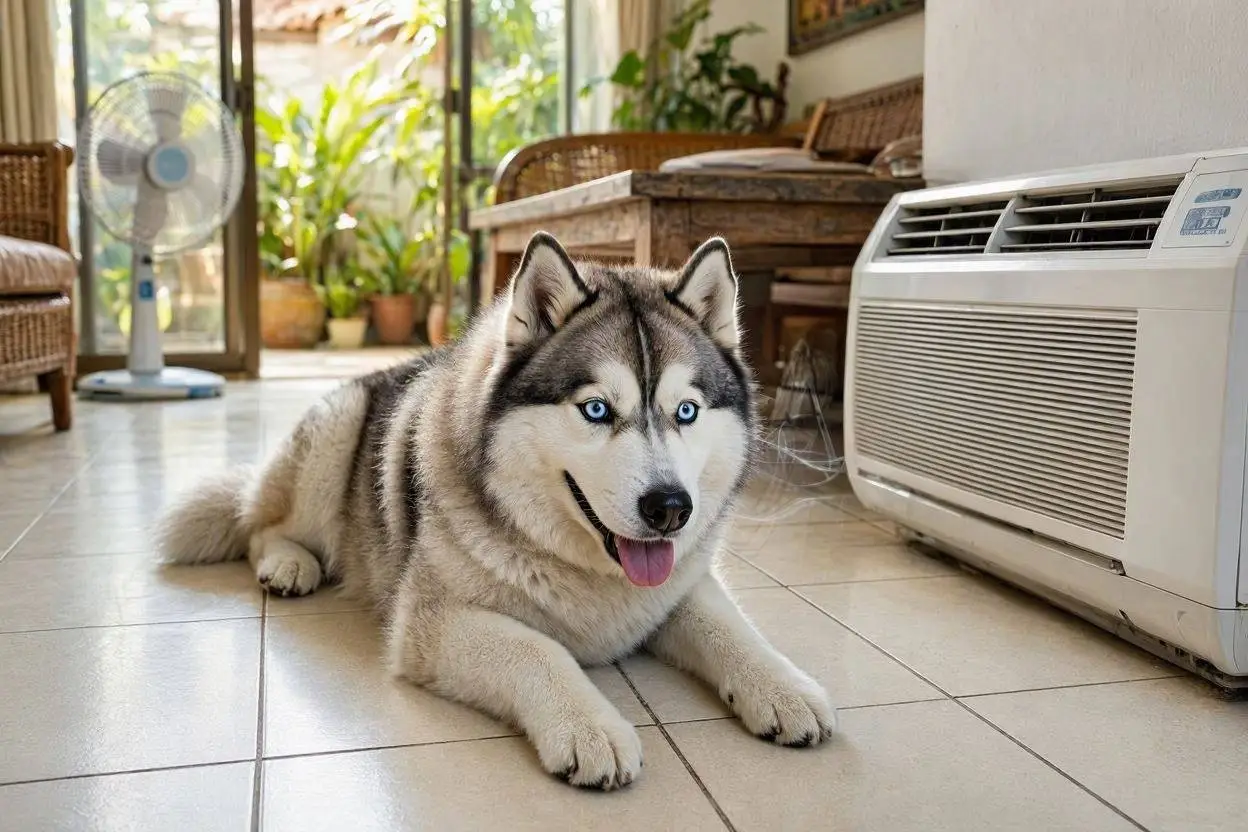
Let's answer the question in the title honestly, because a lot of Huskies in this country are bought on impulse after a cute video and end up struggling. Can a Siberian Husky survive in the Philippines? Yes — but it's the hardest of the popular breeds to keep well here, and it's only fair to both of you if you know that going in.
Huskies live happy lives all over the Philippines, and in equally hot places like Singapore and Australia. This isn't a "no." It's a "yes, if" — and the "if" is a real commitment to managing heat, energy, and a dog engineered for pulling sleds across frozen Siberia. Here's exactly what it takes, so you can decide with your eyes open rather than after the puppy is already home.
The heat: this is the whole conversation
A Husky's thick double coat was built to survive Arctic winters. In Philippine heat and humidity, that same insulation works against the dog, and overheating is a constant, serious risk. Managing it is a daily routine you cannot skip:
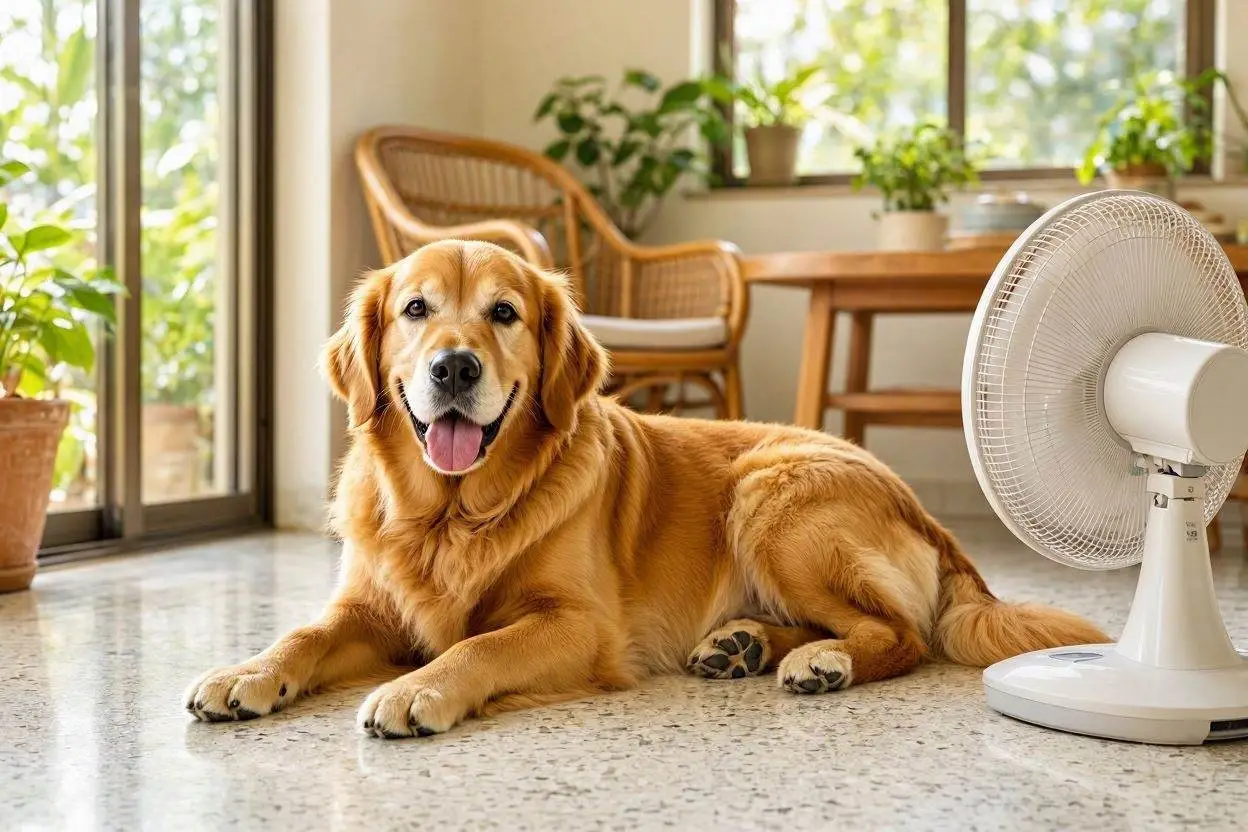
- A fan or air-conditioning of its own. In this climate, a Husky genuinely needs dedicated cooling during the hot hours — at minimum an electric fan, better an air-conditioned room. This is not pampering; it's basic welfare for this breed here.
- Cool-hour exercise only. Early morning and after dark. A midday walk in Philippine sun is dangerous for a Husky, full stop.
- Constant cool water and deep shade, always.
- Use water to cool. A kiddie pool is a Husky favorite and a genuine lifesaver in the heat.
- Know the emergency signs: frantic panting, heavy drool, weakness, bright red gums. Cool the dog with cool (not ice-cold) water and get to a vet immediately. Heat stroke kills fast, and a double-coated dog is especially vulnerable.
Never shave a Husky
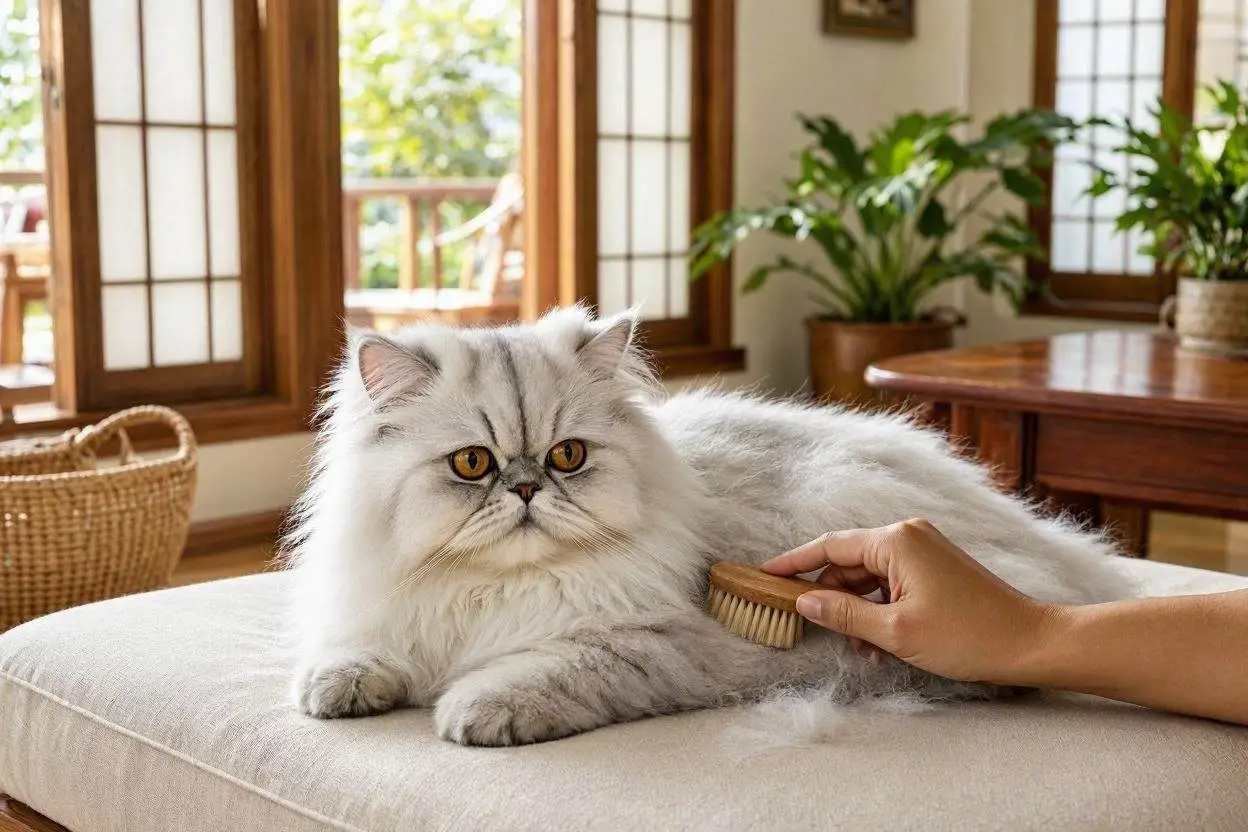
It seems like the obvious kindness in the heat, and it's the classic mistake. Don't shave a Husky. The double coat insulates against heat as much as cold and reflects the sun — it's the dog's own climate-control system. Shave it and you strip the sun protection, risk sunburn, and can permanently wreck how the coat regrows. The right move is the opposite: brush out the dead undercoat regularly so air flows through and the coat can do its job. Groom the coat, never remove it.
The shedding is relentless
Be ready for fur. Huskies are among the very heaviest-shedding breeds, and they "blow" their undercoat in huge quantities — in a warm climate this is close to year-round. The only answer is regular, thorough brushing (several times a week, daily during a coat blow), which doubles as your heat management since it keeps the coat airy. If a house full of drifting fur would ruin your life, this is not your breed.
The escape artist you have to out-engineer
Huskies were bred to run, they have a strong prey drive, and they are famous, determined escape artists. They dig under fences, climb over them, and bolt through open gates, and a loose Husky can be kilometers away before you've got your shoes on. Containing one is a real design problem:
- Genuinely secure fencing — high, with no gaps, and dig-proofed at the base.
- Never off-leash in an unfenced area, no matter how good the recall seems. The prey drive overrides training in the wrong moment.
- Double-check gates, and mind that clever paws can work simple latches.
Because the odds of a Husky getting out at least once in its life are high, a microchip plus a scannable QR tag isn't optional insurance for this breed — it's close to essential. If your Husky does get loose, an ID that lets whoever finds them call you immediately is what gets them home.
Energy: a working dog that needs a job
A Husky is an athlete with stamina for days, and a bored, under-exercised Husky is a destructive, howling, digging nightmare — not because it's a bad dog, but because it's a working animal with nothing to do. It needs substantial daily exercise and mental engagement, all of it fit into the cool hours. They're also famously vocal (the "talking" and howling are real and not quiet) and pack-oriented, wanting to be with their people or other dogs rather than isolated. Match that energy or don't get the dog.
Temperament: friendly to people, risky with small pets
One happy surprise for first-time owners: Huskies are famously bad guard dogs because they tend to love everyone. They're outgoing, goofy, and generally excellent with children and other dogs, which is a big part of their appeal as family pets. The flip side is the prey drive. That same instinct that makes them bolt after movement means many Huskies see cats, chickens, and small animals as things to chase — sometimes with a tragic outcome. A Husky can learn to live with a cat, especially raised together, but it takes careful management and can never be fully assumed. If you already have small pets, factor this in honestly before bringing a Husky home, and never leave them unsupervised together early on.
Health and feeding
Huskies are actually a fairly hardy breed genetically — the PH challenge is the climate, not a long list of inherited diseases. Still, watch for eye conditions (cataracts, progressive retinal atrophy, corneal issues) and hip dysplasia, and buy from a breeder who screens. Feed a quality large-breed diet portioned to keep them lean and athletic, with constant access to water. Cover the foundations with a proper first vet visit, the vaccination schedule, deworming, and tick and flea prevention — the last matters for any dog spending time outdoors in our climate.
So — should *you* get a Husky?
Get a Husky if: you have reliable cooling, secure fencing, the time and energy for serious daily exercise in the cool hours, tolerance for heavy shedding and vocal behavior, and the budget for the electricity and food a big Arctic dog runs up in the tropics. In that home, a Husky is a magnificent, affectionate, hilarious companion and thrives.
Don't get a Husky if: you're drawn mainly by the looks, live in a small hot space without dedicated cooling, can't commit to daily hard exercise, or want a low-maintenance dog. It's no shame — it's the responsible call. If you love the big-dog idea but want one better suited to the climate, a short-coated Labrador copes with the heat far more easily (as does a Golden Retriever, with more coat care), and a hardy aspin is superbly climate-adapted. Huskies also turn up in rescues precisely because so many are bought on impulse — adopting an adult is a real, kinder option.
A high-commitment dog deserves good records
If you do take on a Husky, you're signing up for a demanding, decade-plus relationship — and good records make it easier. A digital pet passport keeps the vaccination history, weight, medical timeline, and a vet-ready PDF export in one place, and — critically for this Houdini of a breed — pairs with that QR tag and microchip so an escape doesn't become a tragedy.
A Husky will give a prepared owner years of spectacular, snow-dog-in-the-tropics companionship. It just asks more of you than almost any other popular breed here. Answer the question honestly first. Start your Husky's Pawdex passport and keep their whole story — and their way home — in one place.
Founder of Pawdex. Pet parent to Shimmer and Sigbin. Writes honest pet-care guides for Filipino pet parents — no fluff, real prices, real stories.