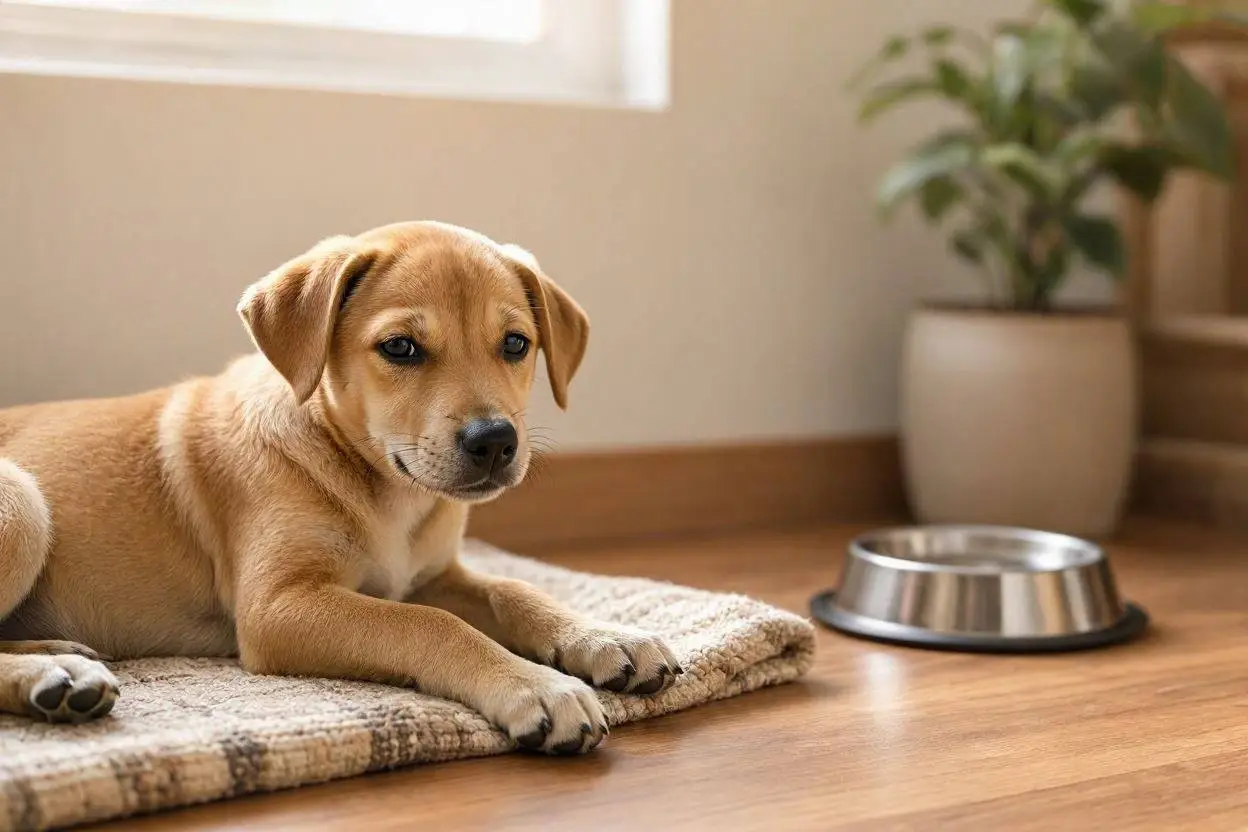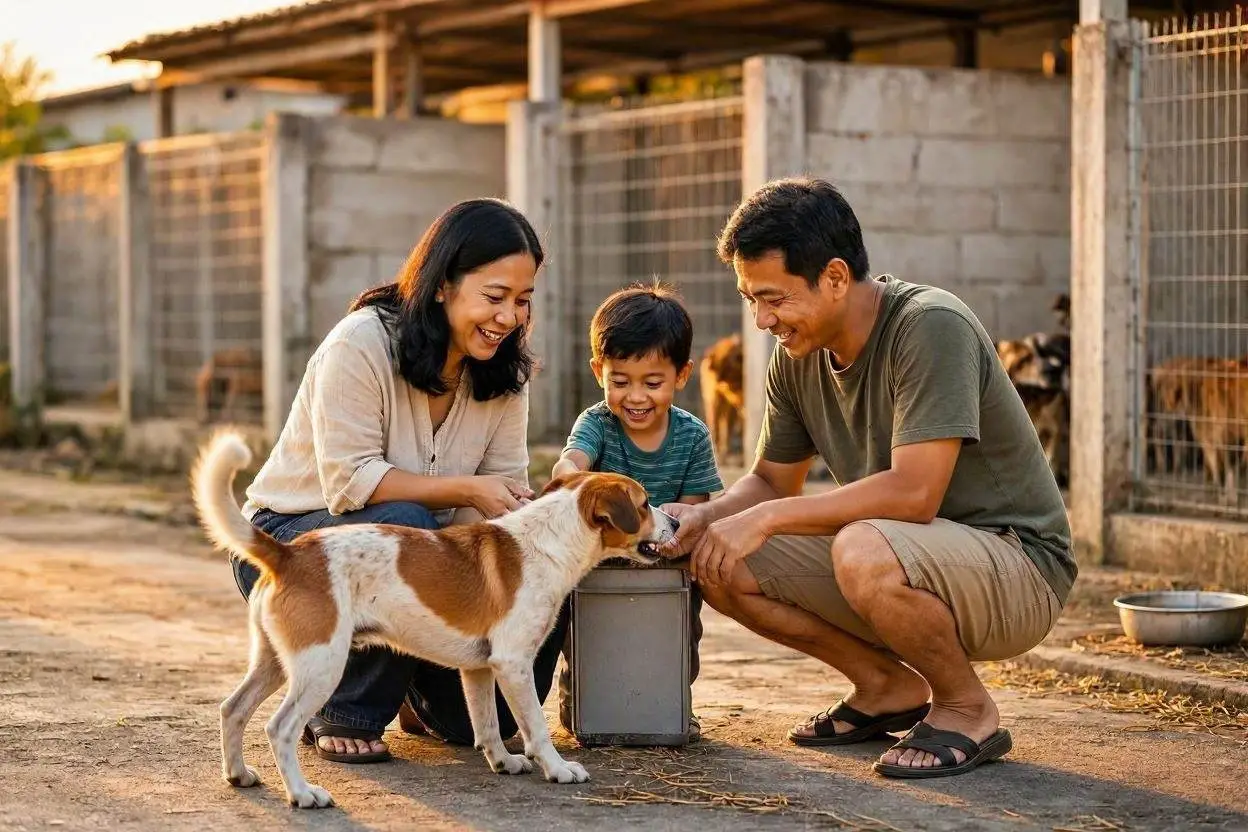
Every year we tell ourselves the same thing about our rescues: the best dog and cat we ever brought into the house did not come with papers. They came with a story, a slightly nervous first week, and then years of being the most loyal animal you can imagine. That's the quiet secret of adoption in the Philippines — the shelters are full of brilliant pets that just need someone to say yes.
If you've been thinking "adopt, don't shop," this is the guide we wish we'd had. Here's the honest, end-to-end picture of adopting a dog or cat in the Philippines in 2026 — where to go, what the process really looks like, what the fees actually cover, and how to get ready so the whole thing goes smoothly.
Why adopt instead of buy
The bumper-sticker version is "adopt, don't shop," but the real reasons are practical, not just moral.
It's cheaper, and the animal is already sorted. A shelter pet almost always comes to you already spayed or neutered, vaccinated, and treated for parasites. Buy from a breeder or a pet shop and you pay for the animal and every one of those procedures afterward. Adoption bundles the whole first round of care into a fee that's a fraction of the cost.
Aspins and puspins are tough. A huge share of adoptable pets here are aspins (Asong Pinoy) and puspins (Pusang Pinoy) — the local landrace dogs and cats. Their mixed heritage tends to make them hardy, climate-adapted, and less prone to the inherited problems that plague some purebred lines. If you've bought into the idea that a mixed-breed rescue is somehow "lower quality," we wrote a whole aspin care guide to bust that myth. They are, if anything, easier.
You're opening a slot. Every adoption doesn't just save one animal — it frees up shelter space and resources for the next rescue. That's the part that makes it feel less like a transaction and more like joining something.
Where to adopt in the Philippines
You have more good options than most people realize, and they're not all in Manila. Here are the established, reputable ones — every group below spays/neuters and vaccinates before rehoming, and screens adopters, which are the two signs of a rescue worth adopting from.
PAWS — Philippine Animal Welfare Society (Quezon City). The best-known animal welfare group in the country. Adoptable dogs and cats live at the PARC shelter on Aurora Boulevard corner Katipunan Avenue, Loyola Heights, QC. Visits are by appointment only — they've been clear that they have no branches anywhere else, so ignore any page claiming a "PAWS branch" in another city.
CARA Welfare Philippines (Mandaluyong). Running since 2000, CARA focuses on rescue, spay/neuter (CNVR), and adoption. Their process is a little more structured than most, with home photos and required visits (more on that below).
Pawssion Project (Bacolod and Bulacan). Founded in Bacolod in 2018, Pawssion has rehomed more than 620 rescues, many of them pulled from truly dire situations. They operate Balay Pawssion in Bacolod City and a facility in San Jose del Monte, Bulacan.
Island Rescue Organization — IRO (Cebu). For anyone in the Visayas, IRO was the first non-profit animal rescue in Cebu, formally established back in 2010. Their adoptable animals are at Camp IRO in Guba, Cebu City, and they run a cattery in Mandaue. As a Cebu-based team ourselves, this is the one closest to home for us.
Your LGU / city veterinary office. Many city and municipal pounds take in strays and impounded animals, and some will rehome the healthy, friendly ones. It's underrated. Call your local city veterinary office and ask.
Facebook rescues and independent fosterers. Beyond the big names, a huge amount of Philippine adoption happens through smaller rescues and solo fosterers posting on Facebook. This is where a lot of great pets get matched — but it's also where you have to be a bit more careful. A responsible fosterer will still ask you questions, still want the animal spayed/neutered, and won't just hand over a puppy to the first person who comments "PM sent." If there's zero screening, that's a red flag, not a convenience.
🐾 A quick word on "free to good home" posts: genuine rescues screen. If someone is giving away unspayed puppies or kittens with no questions asked, you may be looking at a casual backyard litter rather than a rescue — and every one of those adds to the overpopulation problem the shelters are fighting. Adopting from a group that fixes its animals is part of the solution.
What the adoption process actually looks like
Here's the part that surprises first-timers: adopting is not instant, and that's on purpose. A good shelter would rather take an extra week to place an animal well than see it bounced back in a month. The process is a filter for fit, not an obstacle course. Expect some version of these steps:
- Pick your pet (or let them help you pick). Browse the shelter's website or Facebook page, or visit in person. Tell them about your home and lifestyle — the best shelters will actively steer you toward an animal whose temperament matches, which is worth a hundred cute photos.
- Fill out an adoption application. This asks about your living situation, whether you rent or own, who else is in the household, and how you plan to care for the pet.
- Do an interview. Often over Zoom or Messenger, sometimes onsite. It's a conversation, not an interrogation — they want to know you've thought it through.
- Visit the animal. Most groups require you to actually meet your prospective pet, sometimes more than once, before finalizing.
- Home check or home photos. Some shelters do a home visit; others accept photos or a video tour, especially of doors, windows, and fencing — because escape-proofing genuinely matters for a scared new rescue.
- Get approved, pay the fee, take them home. Once you're cleared, you pay the adoption fee and bring your pet home, usually with a certificate of adoption and their medical records.
- Follow-up. Reputable groups follow up — a message, sometimes a visit — to make sure everyone's happy. CARA, for instance, reserves visiting rights as part of the adoption agreement.
To make that concrete, here's how the two most-searched shelters actually run it:
PAWS: apply online, do a Zoom interview, then make a minimum of two separate visits to get to know your chosen pet before adoption is finalized. Puppies and kittens under six months are placed as fosters first (until they're old enough to be vaccinated and neutered), then become permanent adoptions once the fosterer passes screening.
CARA: review their policies, submit the form, attend an interview (online or onsite), and prepare photos and videos of your home — especially doors and windows. They require at least one visit for cats and two for dogs, may do a home visit (sometimes waived if you give a live tour during the interview), and hand over a Certificate of Adoption at pickup.
Adoption fees, and what they cover
Adoption fees in the Philippines are deliberately low, and they're not "the price of the pet" — they're a contribution back into rescue work, and they usually cover procedures that would cost you far more at a private clinic.
| Shelter | Cat fee | Dog fee | What it includes |
|---|---|---|---|
| PAWS | ₱500 | ₱1,000 | Spay/neuter, vaccinations, tick & flea treatment |
| CARA Welfare | ₱1,000 | ₱1,500 | Animals over 6 months are spayed/neutered before adoption; fee funds ongoing rescue care (non-refundable) |
| Pawssion Project | Free | ₱1,000 | Rescue care; animals rehomed spayed/neutered and vaccinated |
Put that next to the alternative: buy an unfixed, unvaccinated puppy from a pet shop and you'll spend well over a thousand pesos on the first round of vaccines alone, plus deworming and eventually a spay or neuter surgery. Adoption isn't just the kinder choice — it's the cheaper one, and the animal starts life with you already protected.
Puppy or adult? Dog or cat?
Everyone walks in wanting a puppy or a kitten. Here's the case for keeping an open mind.
Adult dogs are often the smarter first adoption. What you see is what you get — size, coat, energy, and temperament are already known, no guessing what the tiny puppy will become. Many adult shelter dogs are already house-trained and well past the chew-everything phase. They tend to get overlooked, which means the calmest, most grateful dogs in the building are frequently the adults.
Puppies and kittens are a bigger commitment than they look. They're a blank slate, which is lovely, but a young animal means months of toilet training, teething, night waking, and a full first-year health schedule to stay on top of. Wonderful, but go in with your eyes open.
Whichever you choose, ask the shelter to be honest with you about the individual animal's temperament and needs. They know these pets. Let them match you.
How to prepare before you bring your rescue home
Approval can come faster than you expect, so have the home ready before pickup day.
- The basics: food and water bowls, quality food, a collar with an ID tag, a leash or a secure carrier, a bed or crate, and litter and a box for cats.
- Escape-proof everything. This is the one people skip and regret. A newly adopted pet is frightened and flighty, and its first instinct in a strange home can be to bolt. Check that gates latch, windows are secured, and there are no gaps under the fence. More lost pets are freshly adopted ones than people realize — this is the single most important prep step.
- Set up a quiet decompression space. A calm corner or room where your new pet can hide and adjust, away from the full noise of the household, for the first few days.
- Book the first vet visit. Even though a shelter pet arrives vaccinated and fixed, a vet visit in the first week gives you a baseline, confirms the records, and sorts out ongoing tick and flea prevention.
- Plan permanent ID from day one. Update that ID tag with your number immediately, and consider a scannable QR tag or microchip so that if your still-nervous rescue does slip out in week one, whoever finds them can reach you instantly.
Give it time — the 3-3-3 rule
The most useful thing to know about a new rescue is that they don't become "themselves" overnight. A widely used guideline is the 3-3-3 rule:
- First 3 days: overwhelmed and decompressing. Your pet may hide, refuse food, or seem shut down. This is normal. Don't force interaction — just provide safety and routine.
- First 3 weeks: starting to settle. They learn the routine, test some boundaries, and begin to show their real personality.
- First 3 months: fully at home. Trust is built, and the bond is real.
If week one feels underwhelming or hard, that isn't a mistake — it's the process. Almost every adopter who pushes through those first three days ends up with the pet they hoped for. For the full day-by-day playbook, see our first-week checklist for a new rescue.
Keep the paperwork from day one
Here's the practical bit we care about most as a pet-records team: your rescue comes with a history — a spay/neuter date, the vaccines already given, deworming records, sometimes an estimated birthday and rescue story. That paperwork scatters fast. A folder gets wet, a screenshot gets lost, and a year later you can't remember which shots your dog has had.
Start your pet's digital passport the day you bring them home. Log the shelter's records, snap a photo of the vaccination card, and set the next vaccine and deworming reminders while it's all in front of you. It takes ten minutes and it means you never lose your rescue's story — or, if the worst happens and they go missing, you can prove they're yours and get them home fast.
Adopting is one of the genuinely good decisions you can make. The animal you're about to meet has been waiting for exactly you. Start their Pawdex passport and give them the fresh start on record that they deserve.
Founder of Pawdex. Pet parent to Shimmer and Sigbin. Writes honest pet-care guides for Filipino pet parents — no fluff, real prices, real stories.