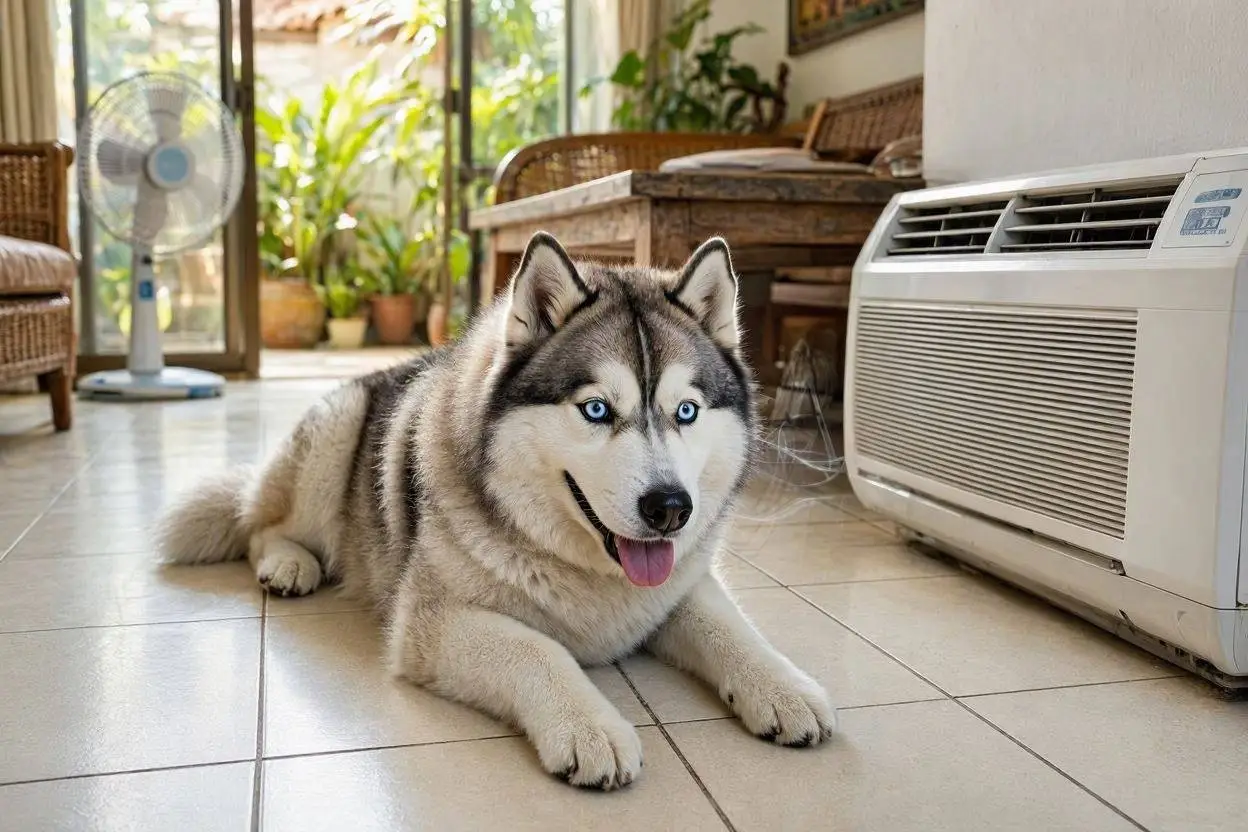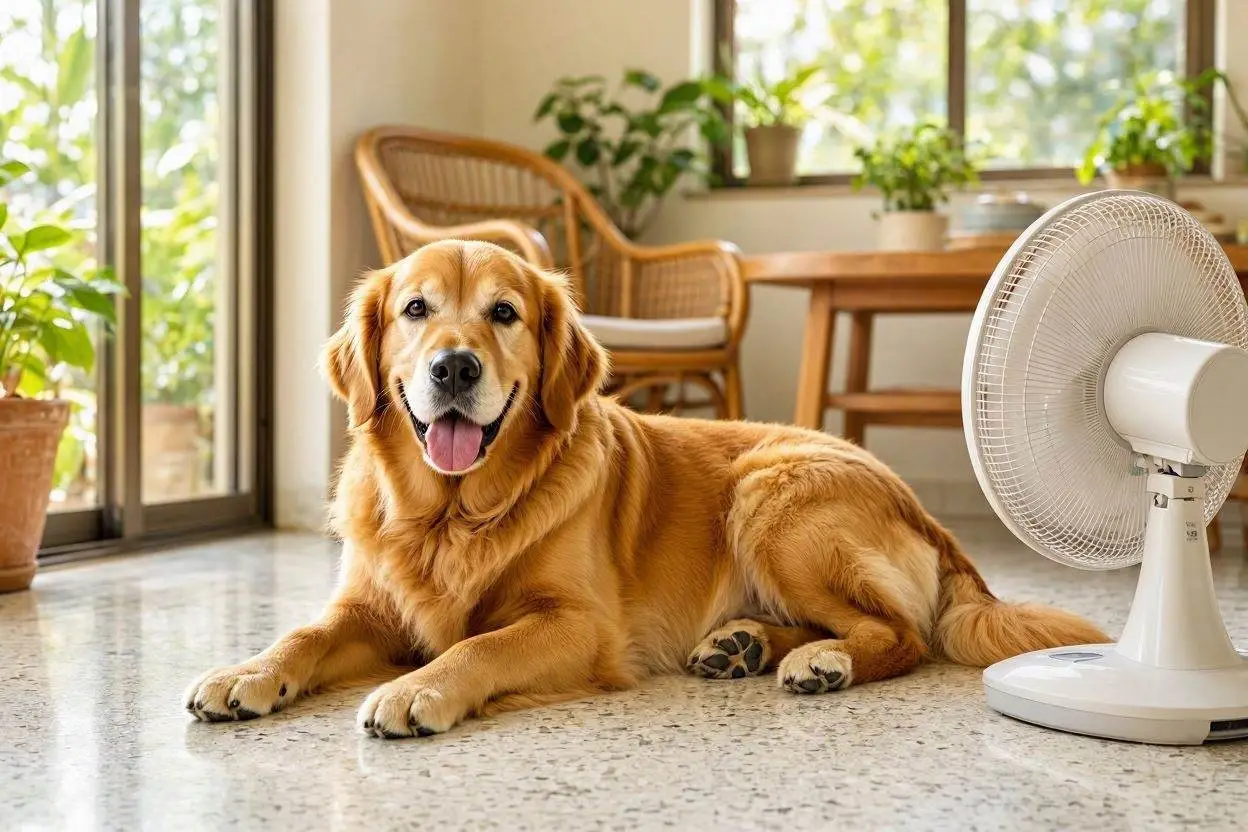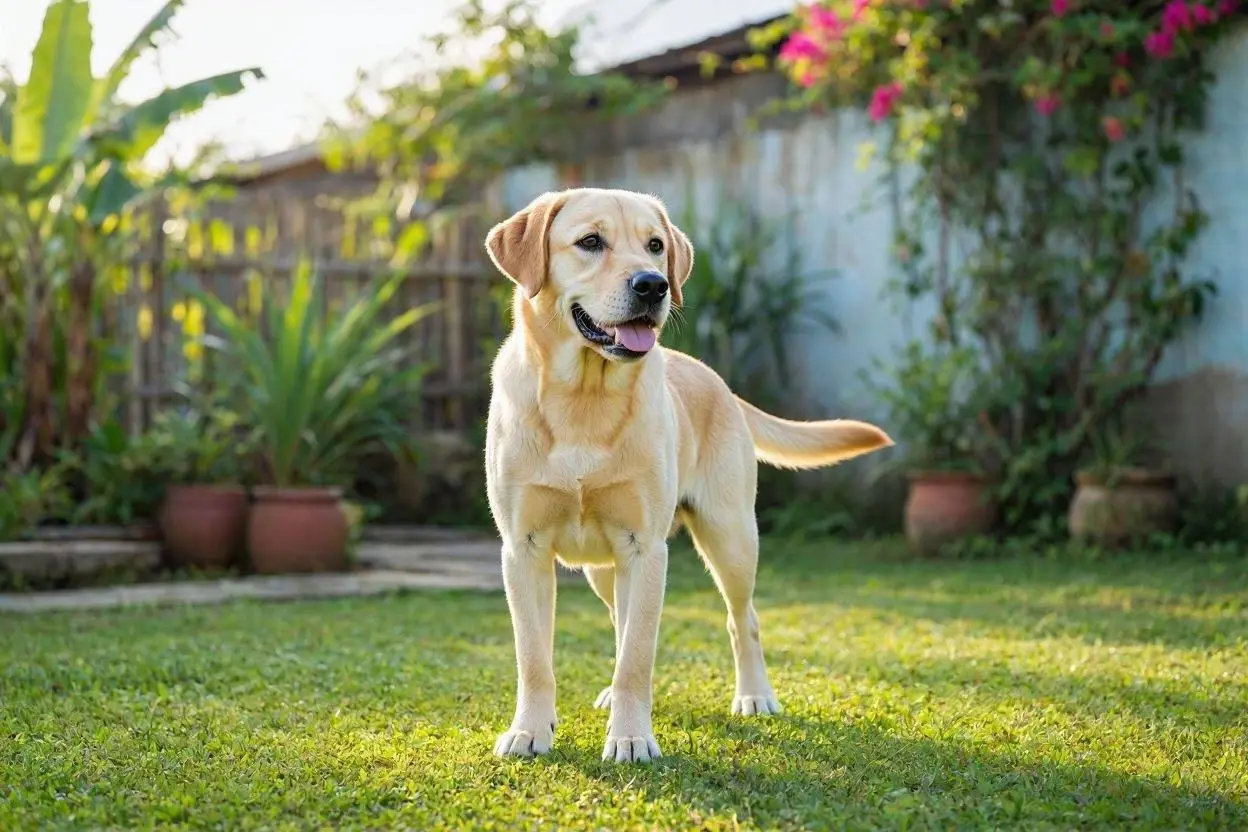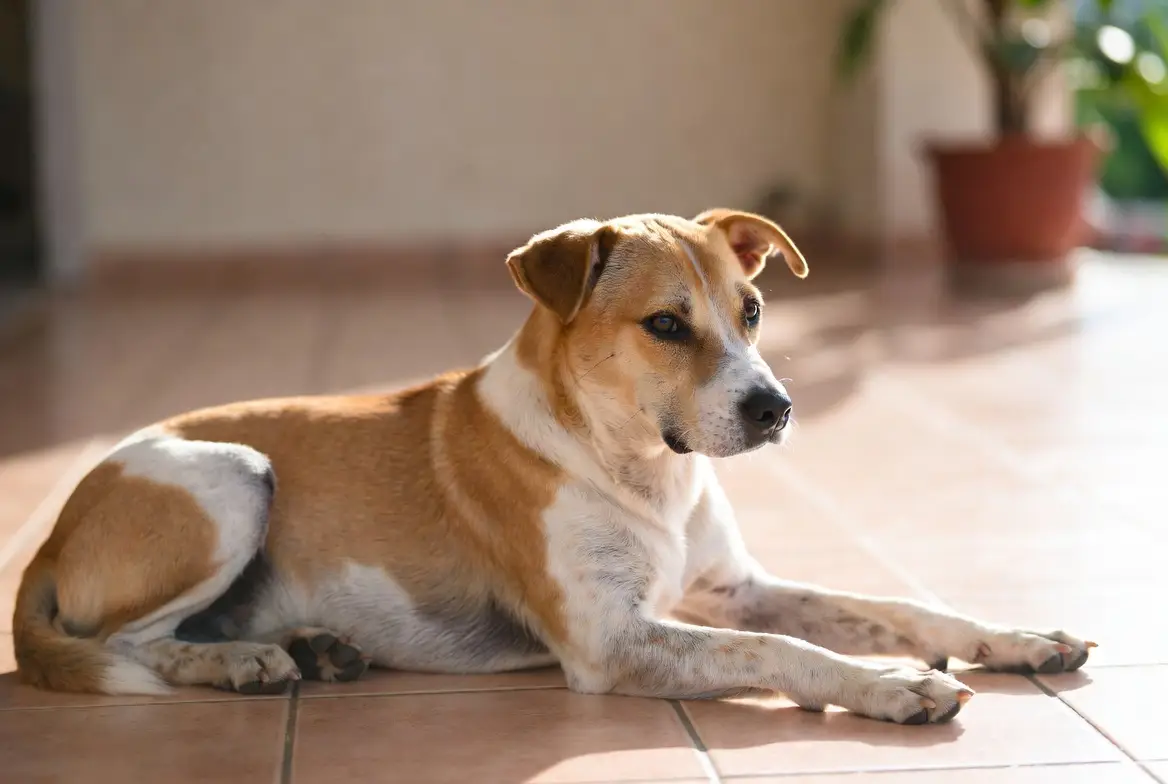
The first thing to understand about Aspins is that they are not a breed.
There is no Aspin kennel club, no breed standard you can flip through, no "Best in Show" category at any major dog expo. An Aspin — short for Asong Pinoy, the dignified replacement for the older term askal — is the native landrace dog of the Philippines. Generations of mixed parentage, shaped by our climate, our food, and our streets, produced a dog that is uniquely suited to this country and uniquely overlooked by the people who live in it.
This guide is for the new fur parent who just brought home an Aspin and is suddenly wondering why nobody writes about them seriously. We do not have a Golden Retriever subreddit. We have kawawa naman, askal lang — pity dressed up as compassion. That framing has cost a lot of these dogs their dignity and a lot of fur parents their confidence. So let's set the record straight.
What an Aspin actually is
The word "aspin" was popularized in the early 2010s by Philippine animal welfare advocates — including the Philippine Animal Welfare Society (PAWS) and the Department of Agriculture — as a dignified counterweight to the older term askal (a contraction of asong kalye, or "street dog"). The shift was deliberate. Askal came with baggage: dirty, dangerous, unwanted, disposable. Aspin reframed the same dog as what it actually is — the Philippine native dog, shaped by centuries of local adaptation.
In genetic terms, the Aspin is a landrace — a population of animals that developed naturally in a specific region without targeted human breeding. Landraces share certain traits because the environment selected for them, not because a breeder did. Aspins tend to share:
- A medium build (usually 12 to 22 kilos as adults)
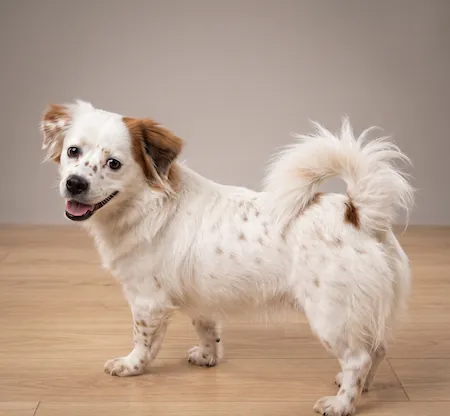
- A short, single-layer coat in shades of tan, brown, black, brindle, or patchy combinations
- A naturally curled or sickle-shaped tail
- Erect or semi-erect ears
- A lean, athletic frame
- Heat-tolerant biology
- Strong food motivation
- An alert, family-oriented temperament
None of these traits are guaranteed — your Aspin may break the mold on any of them. That is the nature of a landrace. The breed standard is the diversity.
The hybrid vigor advantage
Here is something most Filipino fur parents are never told: Aspins are generally healthier than tightly bred purebreds because of a well-documented genetic phenomenon called hybrid vigor (also known as heterosis). When parent populations are genetically diverse — as Aspins absolutely are — offspring tend to inherit a wider range of working immune genes, stronger metabolic pathways, and fewer copies of the recessive disease alleles that get concentrated in closed-population breeding programs.
In practical terms, this is why your Aspin is unlikely to inherit the hip dysplasia common in German Shepherds, the breathing problems common in French Bulldogs, the spinal issues common in Dachshunds, or the heart conditions common in Cavalier King Charles Spaniels. Aspins can still get sick — no dog is invincible — but their baseline genetic foundation is markedly more robust than the average purebred's.
Lifespan reflects this. Most Aspins live 12 to 15 years, with healthy outliers reaching 16 and beyond. That is notably longer than the 8 to 10 year average of many large purebreds.
The myths that still hurt these dogs
Five misconceptions still cost Aspins adoptive homes every year. Let's take them honestly.
"Aspins are aggressive." Aspins are alert and territorial — those are different things. A dog that barks at the gate when a stranger approaches is doing its job, not exhibiting a flaw. Properly socialized Aspins are warm with family, polite with welcomed guests, and discerning with strangers. The aggression label usually comes from dogs raised on chains in backyards with zero socialization, which would produce the same outcome in any breed.
"Aspins can't be trained." Aspins are highly trainable; they are just not blindly obedient. The Filipino "isang utos lang" (one command only) folk wisdom about Golden Retrievers does not apply here. An Aspin will ask, internally, "is this command worth doing?" and then decide. Positive reinforcement training works extremely well — they are deeply food-motivated and quick to read a calm trainer. Yelling at an Aspin shuts them down; a piece of chicken and a clear hand signal opens them up.
"Aspins are dirty." Every dog gets dirty. Aspins just happen to have low-maintenance coats that shed dirt easily — most need fewer baths than long-coated breeds, not more. The myth comes from associating the dog with the street it might have come from, not with the dog itself. A well-cared-for Aspin is one of the cleanest dogs you can have in a tropical climate.
"Mixed breeds are inferior." This one is the residue of colonial-era kennel club ideology. The science says the opposite. Hybrid vigor is real; closed-population inbreeding is the source of most genetic disease in purebred lines. Choosing an Aspin is not a compromise. It is, by many veterinary measures, an upgrade.
"You can't trust an Aspin around kids." Aspins are pack-oriented and tend to be especially gentle with their own family's children. The dogs that bite kids are dogs that were never socialized, were resource-guarding, or were in pain — none of which are Aspin-specific issues. Raise an Aspin well and you will end up with one of the most patient family dogs in the country.
What Aspins are actually like to live with
Three traits define most Aspins, and understanding them changes everything:
They are independent thinkers. This is the single biggest adjustment for fur parents coming from owning Retrievers or Poodles. An Aspin will hear your command, weigh it, and act. The fix is not domination — it is making the right answer obviously rewarding. Teach with food and praise, and your Aspin becomes a willing partner. Teach with force, and you create a dog that complies under threat but tunes you out the moment you turn away.
They bond deeply but selectively. Aspins decide who is family. Once you are in, you are in for life — they will follow you from room to room, sleep at your feet, and notice when you are sad. With non-family they are polite, not gushing. This is not a flaw. It is a feature. An Aspin is the most loyal dog you will ever know, and it is loyal to you, not to everyone wearing pants.
They are athletes by default. Even a small Aspin is built for movement. They need daily walks — twice a day for adults, more often for puppies — and they thrive on having a job. A bored Aspin will invent one, usually involving your slippers or the trash bin. Two thirty-minute walks plus some food-puzzle work at home is the sweet spot for most adult Aspins.
Day 1 with a new Aspin
Whether you adopted, rescued, or were chosen by a stray that decided your house is now their house, the first weeks shape everything. A simple framework that works for most Aspins is the 3-3-3 rule:
- First 3 days — your dog will be overwhelmed. Expect them to hide, not eat much, not play. Do not force interaction. Provide a quiet corner, fresh water, and predictable meal times.
- First 3 weeks — your dog starts settling in. Routines emerge. They begin to test the household rules. This is the critical training window — calm, consistent, positive.
- First 3 months — your dog becomes themselves. The full personality emerges. Bonding deepens. You start to see the dog they were always going to be.
The essentials checklist for week one:
- First vet visit within the first 7 days. Get a baseline exam, deworming, and a vaccination plan. If you rescued from the street and the dog's history is unknown, follow our Dog Vaccination Schedule Philippines 2026 — your vet will tailor based on what shots may already be on board.
- Microchip and a QR collar tag. Aspins are athletic, agile, and capable of slipping out of any gap they fit through. We learned this the hard way with Shimmer. A Pawdex QR Tag on the collar means whoever finds your dog can reach you in 30 seconds — no microchip scanner needed.
- A safe space, not a crate as punishment. A blanket-lined corner, a soft mat under a table, or a properly introduced crate becomes the dog's decompression zone. They retreat here when overwhelmed.
- Their own bowls, food, and routine. Twice-daily meals work for most adult Aspins. Free-feeding is usually a mistake — it confuses house training and obscures appetite changes that signal illness.
- A name and the patience to teach it. Some rescue Aspins are renamed; some keep their street name. Either way, repeat it warmly, pair it with a treat, and your dog will know it within a week.
Feeding an Aspin
Aspins are extraordinarily food-flexible. They evolved on table scraps, rice with broth, fish heads, and whatever was around — which means they tolerate a much wider range of foods than the boutique-brand-fed Western pet industry would have you believe.
That said, "tolerate" is not "thrive." A good baseline:
- A decent commercial kibble appropriate to age and size — premium brands are fine but not strictly necessary for Aspins. Mid-range brands like Pedigree, Vitality, Hills Science Diet, or local brands like Doggie Essentials work well for most. Watch the protein percentage (22 to 26 percent for adults is the right zone).
- Rice and lean protein additions are fine and even helpful — boiled chicken, fish, eggs, and small amounts of cooked vegetables. Aspins do not need the fancy "wet food only" diet some breeds tolerate poorly.
- Avoid the human foods that are toxic to all dogs — chocolate, grapes, raisins, onions, garlic, macadamia nuts, xylitol-sweetened anything, raw bones from cooked meat, and bones small enough to splinter.
- Hydration matters more in PH — clean fresh water available at all times, refreshed twice daily during hot months. Aspins drink more than you would expect on a 32°C afternoon.
One thing we have noticed across many Aspins: they tend to be less prone to food allergies than imported breeds. The PH-evolved gut handles variety well. You do not need to spend ₱4,000 a month on grain-free single-protein boutique food. Save that budget for vet care.
Training and socialization
Three rules cover 90 percent of Aspin training:
- Reward what you want; redirect what you don't. Aspins learn very quickly what produces treats and warmth. They learn just as quickly what produces a shut door. Use this asymmetry.
- Be consistent across household members. Aspins read the room; if Mom says "no jumping" and Lola gives belly rubs for jumping, the dog logically chooses Lola's rule. Get the whole household aligned.
- Socialize widely in the first six months. Different people, different surfaces, different sounds, different other dogs (carefully). This window is when their adult comfort zone gets set. A widely socialized Aspin puppy becomes a calm, confident adult dog.
The hardest behavior to train, in our experience, is reliable recall — coming when called every single time, even when there is something interesting in the other direction. Aspins have working independence in their genes; they are not auto-recall machines. Practice in low-distraction settings first, reward generously every single time for months, and never punish a slow recall (that teaches them coming back is the bad part). And until recall is bulletproof, never trust an open gate. Their athleticism and curiosity will outpace your reflexes every time.
Health watch — what actually matters in the Philippines
The big four health priorities for any Aspin in PH:
Heatstroke. A 33°C afternoon walk on hot pavement can do real damage. Walk early morning or after sunset during the dry months. Never leave any dog in a parked car, ever.
Tick-borne illness. Ehrlichia and Babesia are the two we worry about most — both transmitted by ticks, both potentially fatal if untreated, both highly treatable when caught early. Use a vet-approved monthly tick preventive (NexGard, Bravecto, or Simparica are the most common in PH). Check your dog's ears, armpits, and groin weekly during tick season.
Heartworm. Mosquitoes carry it, and mosquitoes are everywhere in this country. Monthly oral preventives (Heartgard, Interceptor) or an annual injection (Proheart) are non-negotiable. The treatment for established heartworm disease is much more expensive and dangerous than prevention.
Dental care. Aspins are not exempt from dental disease, and most PH fur parents do not brush their dog's teeth at all. Aim for twice-weekly brushing with dog toothpaste, and a professional dental cleaning every 1 to 2 years from middle age onward. Bad dental health quietly takes years off a dog's life through chronic inflammation.
Vaccinations are the foundation under all of this. Keep them current and keep the records. We log every shot Shimmer ever gets in her Pawdex passport — a permanent record we can pull up at any vet, boarder, or groomer in five seconds. Pro members also get email reminders before shots expire, which is exactly the thing that catches the annual booster before it becomes an overdue booster.
Adopting vs buying
If you are reading this and have not yet brought home an Aspin, please adopt rather than buy. The math is simple: there are tens of thousands of healthy Aspins in PH shelters, foster networks, and on the street right now. Buying from a backyard breeder funds an industry that contributes nothing to the country's dog population health and a great deal to its suffering. And if you're genuinely torn between an Aspin and a specific purebred, read honestly what that breed needs in this climate first — our guides to the Shih Tzu, the Golden Retriever, and the Persian cat lay out the grooming, heat, and health realities the puppy photos never mention.
Where to look (and for the full step-by-step, fees, and what to prepare, see our guide on how to adopt a dog or cat in the Philippines):
- PAWS (Philippine Animal Welfare Society) — Quezon City, well-established adoption process, low fees, vaccinated and spayed/neutered animals
- CARA Welfare Philippines — Manila-based, similar process, very active foster network
- Pet Care Cebu / Save Animals of Love and Light Cebu — Cebu Visayas regional rescue work
- Local barangay rescuers — many Filipino fur parents quietly foster street dogs and rehome them; ask around
- The dog that picks you — sometimes a stray adopts you first. If you can commit, you can also help by contacting the lost-pet community channels to make sure they are not someone's missing dog before assuming permanence
The single most important post-adoption step is to make the new dog feel safe before you make them feel obedient. Bonding first, training second. Every Aspin we have ever known turned into the dog their fur parent wanted, given enough patience in the first three months.
Building your Aspin's life on paper
One thing rescued and adopted Aspins almost always lack is a paper trail. Where did the previous shots happen? What dewormer did they receive? Were they checked for heartworm? Without records, every new vet starts the file from scratch.
This is the part we built Pawdex for. Your Aspin's vaccination history, weight chart, vet visits, medications, and photos all live in one digital passport that travels with your dog forever. Add it once, share it anywhere — boarder, groomer, vet, new family member. Your first pet's passport is free; the reminders and the extras are only there if you want them.
We also added a QR collar tag specifically because Aspins are athletic, curious, and capable of slipping out of small gaps you did not know existed. Microchips are a great medical-grade backup, but a QR tag on the collar is what reaches a stranger holding a smartphone in the first thirty minutes of a runaway — which is the window that actually matters.
There is a kind of fur parent in this country who picks up an Aspin from a shelter, brings them home, and spends the next twelve years quietly proving that the most underrated dog in the Philippines is also one of the best companions on earth. We meet these people through Pawdex constantly. They are not loud about it. They just know.
If you have an Aspin already, you know exactly what we mean. If you are about to get one, you are about to find out. Welcome to the best-kept secret in Philippine dog ownership.
Founder of Pawdex. Pet parent to Shimmer and Sigbin. Writes honest pet-care guides for Filipino pet parents — no fluff, real prices, real stories.