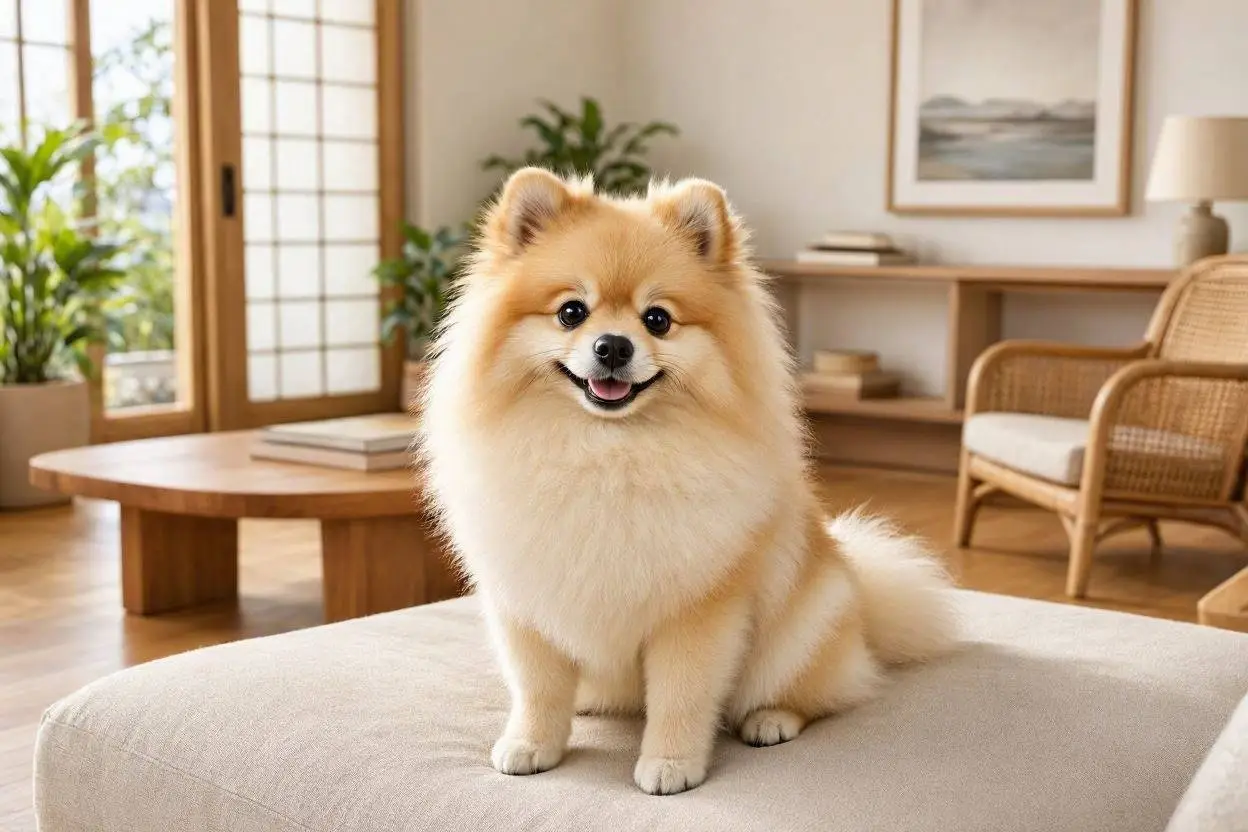
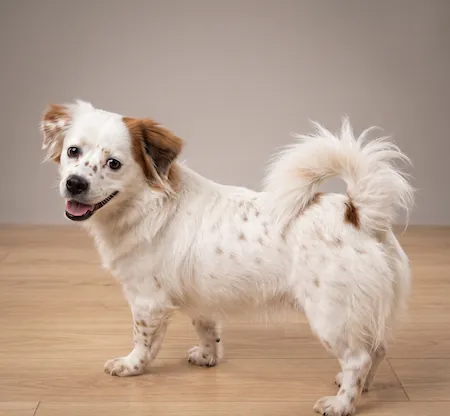
The Pomeranian is a lot of dog packed into a very small, very fluffy package. Bold, bright, endlessly expressive, and convinced they're the size of a German Shepherd — they're one of the most popular toy breeds in the Philippines, and it's easy to see why. That fox-like face and cloud of coat are hard to resist.
They're also more fragile than they look, and that's the honest heart of Pomeranian ownership. A dog this small comes with some specific vulnerabilities — a delicate windpipe, a crowded little mouth, a coat you can permanently damage with one bad grooming decision. None of it is hard to manage once you know it. This is the guide to knowing it.
Never shave a Pomeranian
Let's lead with the mistake people make out of kindness. It's hot, the dog is fluffy, so it seems obvious to shave them down. Don't. A Pomeranian's double coat insulates against heat just as it does cold, and it shields the skin from the strong tropical sun. Worse, shaving a Pom carries a real risk that the coat grows back patchy, uneven, or not at all — a frustrating condition owners know as post-clipping alopecia or "black skin disease" (Alopecia X), which the breed is prone to.
The right approach is the opposite of shaving: brush regularly to remove the dead undercoat so air can flow through and the coat can insulate properly, keep the dog cool indoors during the heat of the day, and let a groomer neaten and lightly trim the coat rather than clip it to the skin. Cool the dog, not the coat.
The harness rule — protect that little neck
Here's a Pomeranian-specific tip that too few owners hear: use a harness, never a collar-and-leash. Pomeranians are prone to tracheal collapse, a progressive weakening of the cartilage rings that hold the windpipe open. A collar that pulls against the throat — which happens every time a small excitable dog lunges on a leash — puts pressure right where it does the most harm. A well-fitted harness spreads that force across the chest instead.
Learn the warning sign: a honking, goose-like cough, especially when your Pom is excited, pulling, or has been pressing on its throat. If you hear it, see a vet. Switching to a harness costs a few hundred pesos and protects your dog's airway for life — one of the easiest good decisions in this whole guide.
Grooming that gorgeous coat
The coat is the reason people fall for Poms and the reason they need regular upkeep — more so in our humidity, where a neglected double coat mats and traps damp against the skin.
- Brush several times a week, working down to the undercoat, not just the fluffy surface. Regular brushing is also how you manage heat without shaving.
- Professional grooming every 4 to 6 weeks for a proper bath, deshed, and tidy. PH grooming for a small dog is very affordable compared with abroad.
- Bathe and dry completely. A damp double coat in humid weather invites fungal skin problems — blow it dry to the skin.
- Eyes and face wiped clean, and ears checked weekly for moisture and wax.
Dental care is not optional for this breed
Toy breeds pack a full set of teeth into a tiny jaw, and the crowding means plaque, tartar, and gum disease set in early — small dogs commonly lose teeth young without care, and dental infection can affect the whole body. Brush your Pom's teeth (daily is ideal, a few times a week at minimum), offer vet-approved dental chews, and include dental checks in your vet visits. It's the most under-appreciated part of small-breed care and it genuinely lengthens their life.
The rest of the health list
- Patellar luxation (slipping kneecaps) — watch for a skip or hop in the back legs.
- Hypoglycemia (low blood sugar) in very small or very young puppies — tiny Poms can crash if they go too long without eating; feed young puppies frequently and watch for weakness or wobbliness.
- Alopecia X / coat loss — another reason not to shave.
- Thyroid issues and, in teacup sizes, an unclosed soft spot on the skull (fontanel) and general fragility. This is why we'd steer you away from the tiniest "teacup" marketing — extreme smallness usually means extra health problems.
Cover the foundations with a proper first vet visit, the vaccination schedule, deworming, and tick and flea prevention.
Heat, feeding, and exercise
A double-coated dog needs the standard tropical care: cool indoors during midday, water and shade always, and walks in the early morning or evening, never the noon sun. Feed a quality small-breed food in correctly small portions — it's easy to overfeed a dog this size, and a chunky Pom stresses those little knees and airway. Fresh water always.
Exercise needs are modest — 20 to 30 minutes a day, two short walks plus indoor play — but don't skip it. Poms are bold, smart, and have opinions; without exercise, socialization, and a bit of gentle training, that big personality curdles into yappy, pushy, snappy behavior. A well-socialized Pom is a delightful, confident little companion. Start training and meeting-the-world early.
Living with the personality — and the barking
Pomeranians were bred down from much larger sled dogs, and somewhere in the shrinking they kept the full-sized attitude. A Pom genuinely believes it's a big, important dog, which is half their charm and the source of their one behavioral pitfall: barking. Poms are alert and vocal by nature, and an under-stimulated, under-socialized Pom can become a relentless little alarm system that also nips when overwhelmed.
The fix is early and gentle, not harsh:
- Socialize young and often. Calm exposure to new people, dogs, sounds, and places while they're puppies builds a confident adult that doesn't feel the need to bark at everything.
- Don't accidentally reward barking. Rushing over to soothe (or scold) a barking Pom teaches them barking gets your attention. Reward the quiet instead.
- Give the brain a job. A tired, engaged Pom barks far less than a bored one. Trick training suits their cleverness perfectly.
- Teach gentle handling, especially with kids. Their small size makes them easy to hurt and quick to defend themselves; supervise young children and teach them to be calm and careful.
Do this and you get the best of the breed: a bold, funny, affectionate companion who's confident rather than shrill.
Is a Pomeranian right for you?
They suit apartment and condo life beautifully, they don't need much space or hard exercise, and they bond intensely with their people. The trade-offs to be honest about: the coat is real ongoing grooming, they can be barky if under-stimulated, and their small size makes them fragile around very young children and easy to injure with rough handling or a fall. If you want a small, characterful, indoor companion and you'll commit to the grooming, dental care, and harness, few dogs give more personality per kilo.
Small dog, real medical file
A Pomeranian can live 12 to 16 years, and across that time a fragile toy breed accumulates a meaningful health history — dental cleanings, the harness switch and any airway notes, vaccination records, weight (small dogs are easy to let quietly gain), and vet visits for the toy-breed issues above. Keeping it in one place is genuinely useful, especially when you switch vets or hit an emergency.
A digital pet passport holds the vaccination records, a weight chart, the medical timeline, and a vet-ready PDF export. And because a tiny dog is heartbreakingly easy to lose — through a gap in the gate, or simply because they're small enough to slip past you — clip a scannable QR tag on the harness so whoever finds them can reach you at once. (If the grooming commitment gives you pause, a smoother-coated small breed or a hardy aspin may suit better — and Poms and other small breeds do turn up through adoption. For a comparison, our Shih Tzu and Poodle guides cover two other popular small companions.)
Give a Pomeranian the coat care, the dental routine, the harness, and the cool hours, and that tiny bold dog will be the biggest personality in your home for well over a decade. Start your Pom's Pawdex passport and keep their whole story in one place from day one.
Founder of Pawdex. Pet parent to Shimmer and Sigbin. Writes honest pet-care guides for Filipino pet parents — no fluff, real prices, real stories.